 CHANGZHOU BLUEGUANDING TRADING CO., LTD.BLUEGUANDING · AF-KANGMUAF-KANGMU INDUSTRIAL INTELLIGENT SAFETY EQUIPMENT
PRACTICAL ANSWERS FOR CONNECTED-WORKER PROJECTS.
Clear guidance on product selection, worksite validation and project rollout—written for the people making real procurement and deployment decisions.

USEFUL READING FOR PROJECT LEADS, BUYERS AND INTEGRATORS.
Each article starts with a real project question and turns it into a practical path your team can discuss, test and verify.
 01Comparison
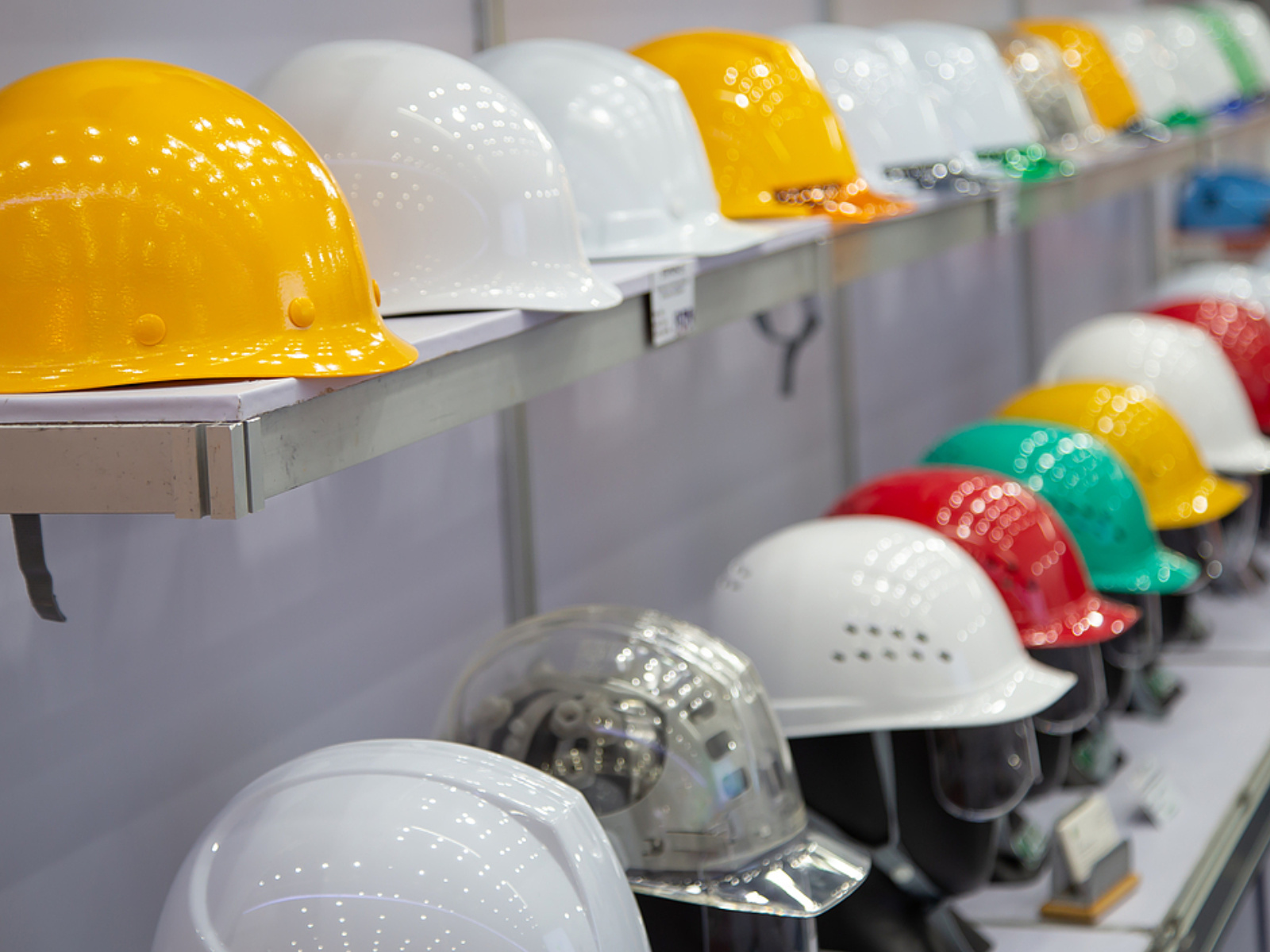
Integrated vs Split Smart Helmet Design: Wearability, Battery, and Maintenance
Integrated and split smart helmet designs create different trade-offs in wearability, battery management, maintenance and accessory layout. This guide explains how industrial buyers should compare the two architectures, with H5000S video-communication projects and the H5000M split mining configuration as practical reference points.
READ ARTICLE ↗ 02Comparison
4G vs 5G vs Wi-Fi Smart Helmets: What Should Drive the Network Choice?
4G, 5G, and Wi-Fi should not be selected by speed claims alone. Smart helmet buyers need to compare real site coverage, worker mobility, live-video demand, existing infrastructure and platform connectivity. This guide explains how industrial buyers can choose a network architecture for H5000S and other connected worker projects.
READ ARTICLE ↗ 03Comparison
H5000E vs H5000W: Integrated Sensing or Modular Expansion?
H5000E and H5000W target different smart helmet expansion strategies. H5000E is positioned as a multi-function enhanced model, while H5000W focuses on external modular expansion. This guide compares their project logic, sensor requirements, PPE compatibility, platform integration and pilot considerations for industrial buyers.
READ ARTICLE ↗ 04Comparison
GPS vs AOA vs UWB: Which Positioning Method Fits a Smart Helmet Project?
GPS, AOA, and UWB address different worker-positioning requirements. GPS is mainly suited to outdoor areas, while AOA and UWB are commonly evaluated for indoor positioning with dedicated infrastructure. This guide compares their project logic, deployment needs, platform workflows and procurement considerations for smart helmet applications.
READ ARTICLE ↗ 05Comparison
H5000S vs H5000MP: Live Video or Precision Positioning?
H5000S and H5000MP are designed around different smart helmet project priorities. H5000S focuses on video communication and remote field collaboration, while H5000MP is positioned for high-precision worker positioning. This guide compares their application logic, infrastructure requirements, pilot criteria and B2B procurement considerations.
READ ARTICLE ↗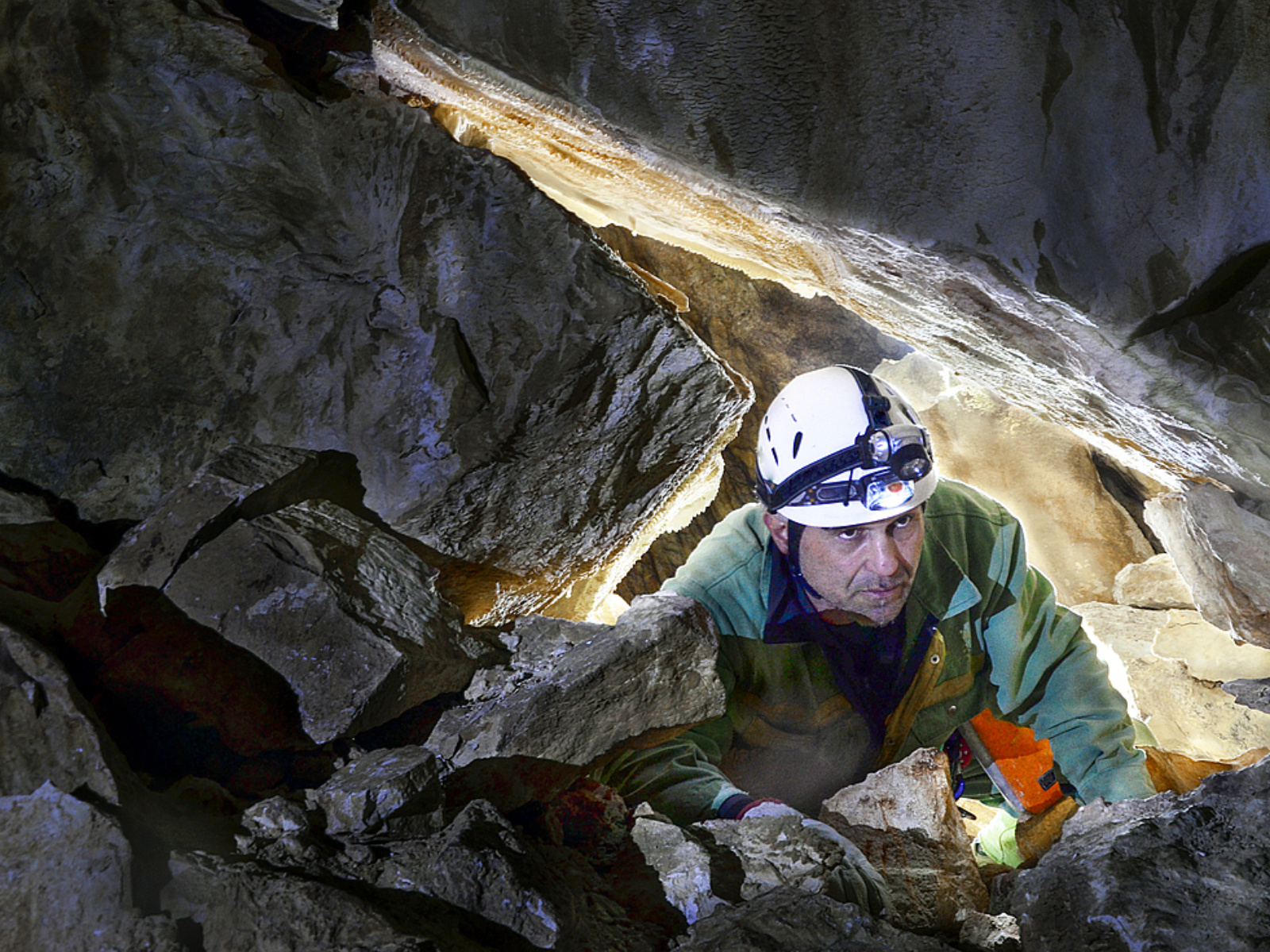 06Comparison
H5000M vs General Industrial Smart Helmets: How Do Mining Workflows Differ?
Mining smart helmet projects differ from general industrial deployments because underground communication, worker location, lighting, emergency response, PPE compatibility and charging workflows require site-specific planning. This guide explains how H5000M should be evaluated against general industrial smart helmets before pilot testing and bulk procurement.
READ ARTICLE ↗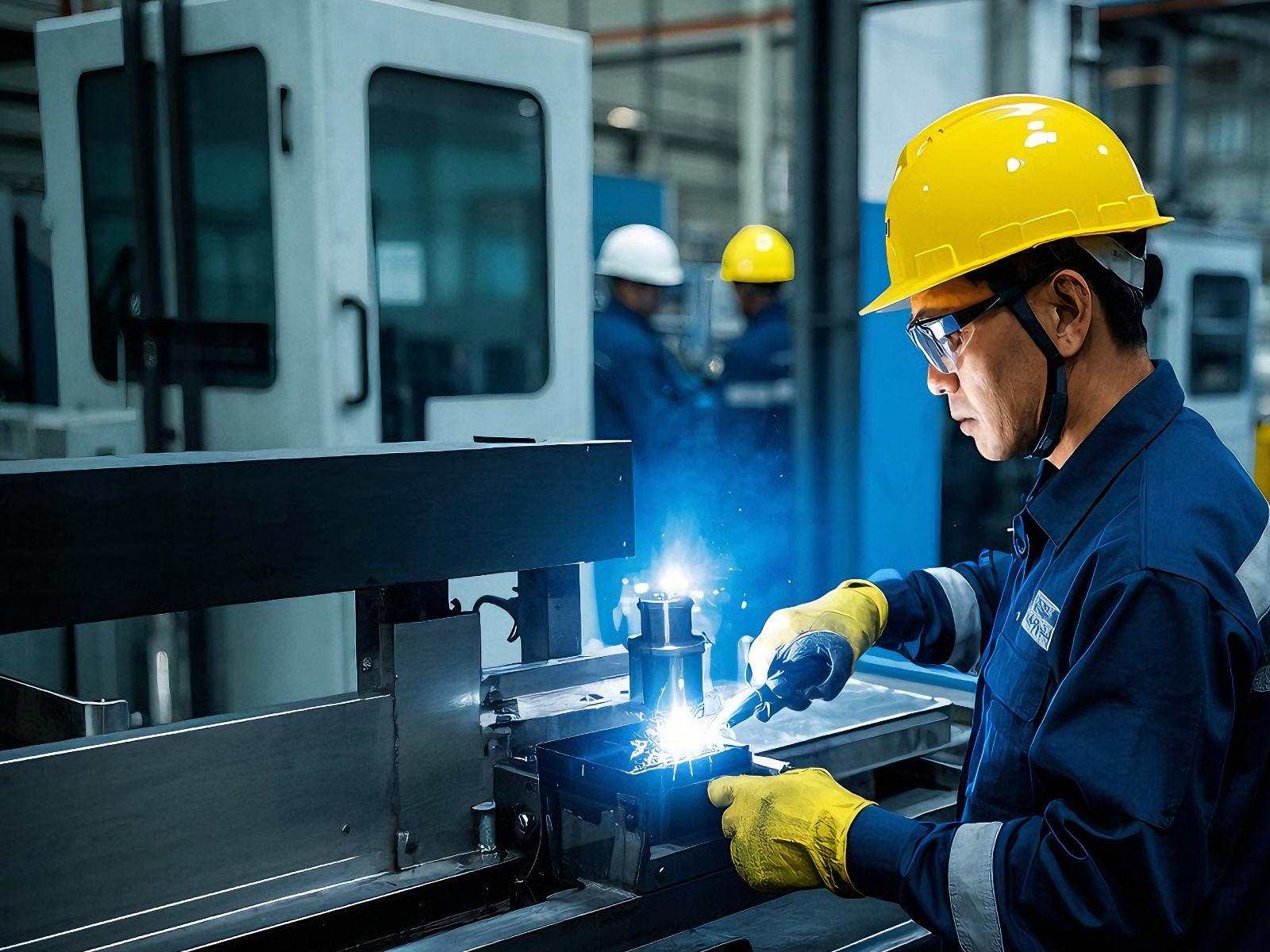 07Comparison
H5000B vs H5000S: Essential Collaboration or Video Communication?
H5000B and H5000S target different smart helmet project priorities. H5000B is positioned as a Basic 5G Helmet, while H5000S is positioned for video communication. This comparison explains how industrial buyers can choose between a simpler connected-worker configuration and a more video-focused remote collaboration workflow.
READ ARTICLE ↗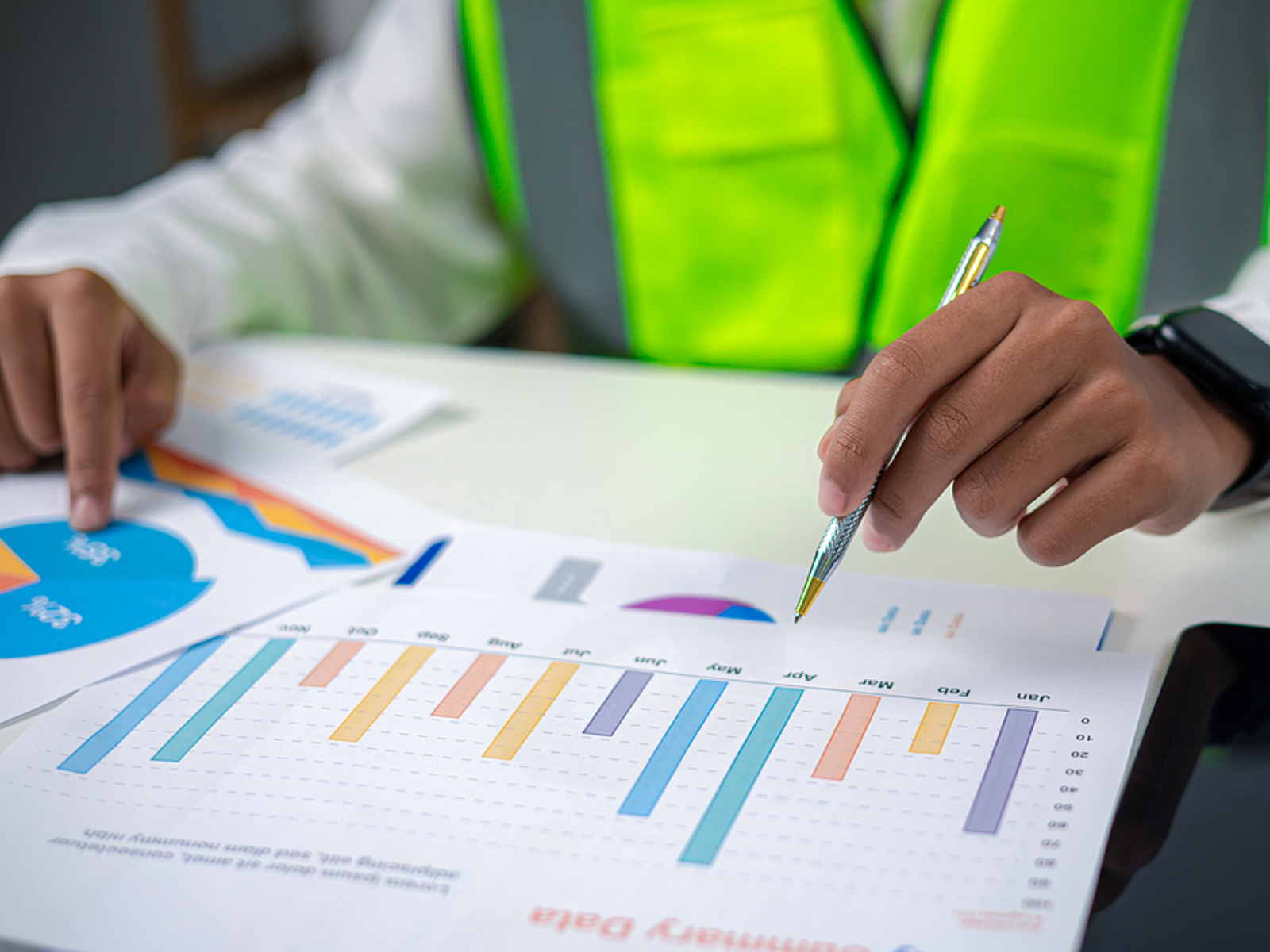 08Fundamentals
10 Essential Acceptance Metrics for a Smart Helmet Pilot
A smart helmet pilot should be evaluated against measurable project criteria rather than general user impressions. This guide introduces 10 essential acceptance areas covering network coverage, communication, positioning, alerts, battery life, media workflows, platform functions, wearability, usability and system integration before bulk procurement.
READ ARTICLE ↗09FundamentalsHow to Plan Data Access, Privacy, and Retention for Smart Helmet Projects
Smart helmet projects may generate worker, device, location, event, photo and video data. Buyers should define who can access each data type, why it is collected, how long it is retained and how it connects with existing systems before deployment. This guide provides a practical B2B framework for data governance planning.
READ ARTICLE ↗ 010Fundamentals
People, Devices, Events, and Media in a Connected Worker Platform
A connected worker platform organizes more than smart helmet devices. It connects worker identities, device status, safety events, location information, photos and video into a manageable operational workflow. This guide explains how industrial buyers should evaluate these data relationships before pilot deployment, system integration and bulk procurement.
READ ARTICLE ↗HELP BUYERS ASK BETTER QUESTIONS BEFORE THEY SEND AN INQUIRY.
These articles explain selection logic, validation steps and deployment methods. They are educational guides, not claims about named customer projects, certifications or guaranteed performance.
DISCUSS YOUR PROJECT↗BUILD THE CONFIGURATION AROUND YOUR SITE.
Share the country, industry, team size and required workflow. We will identify the right starting architecture before quotation.
START A PROJECT↗