
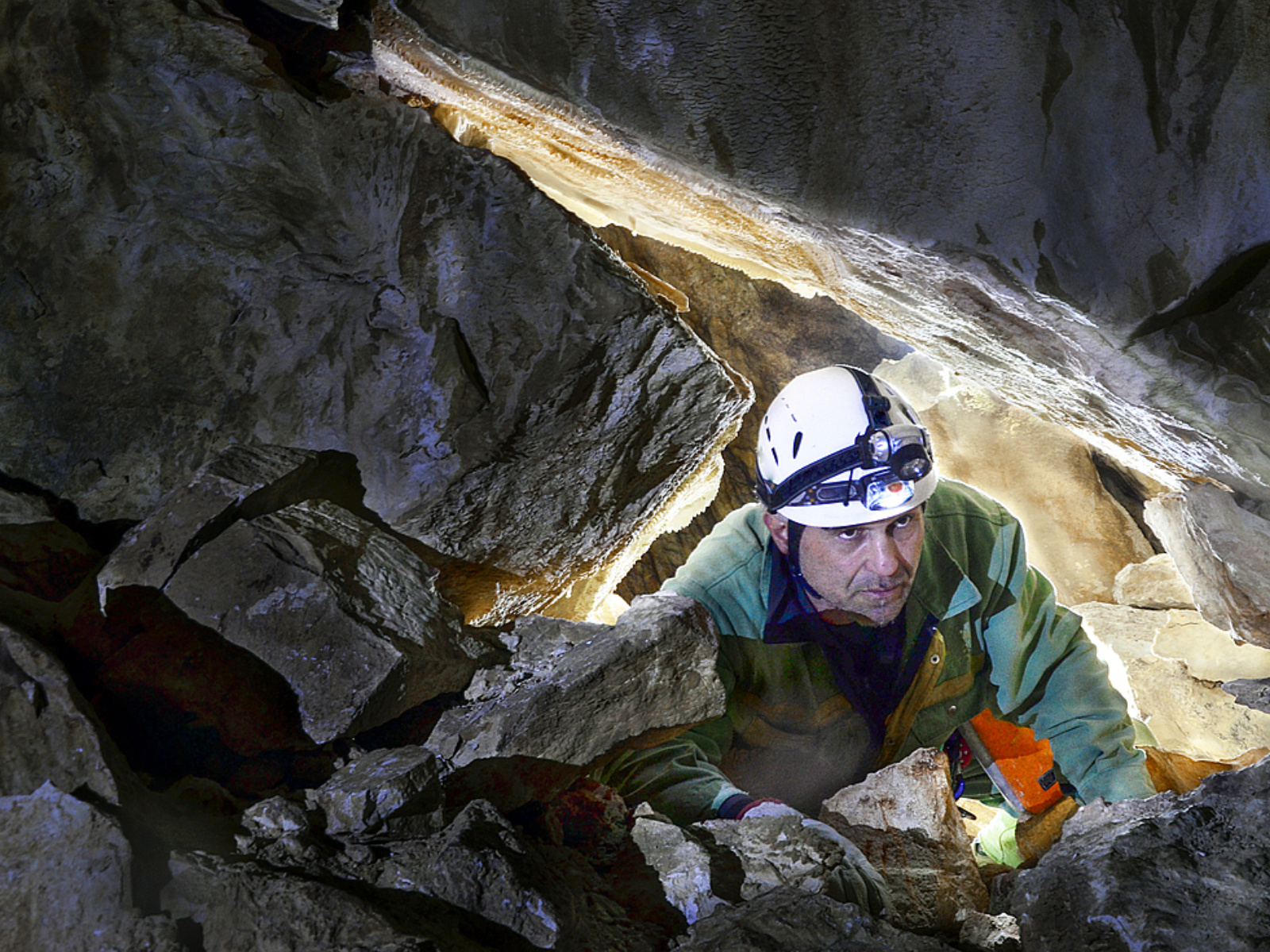
What is the main difference between H5000M and a general industrial smart helmet?
The main difference is the operating environment: a mining smart helmet must fit into an underground worker-safety system rather than function only as an individual connected wearable.
In a general industrial project, the buyer may mainly evaluate communication, video, positioning, alerts and the management platform. A mining project still needs those functions, but the questions become more site-specific.
- How will workers communicate underground?
- What communication infrastructure already exists?
- How will personnel location be managed?
- How will lighting and communication equipment work with existing PPE?
- How are SOS events handled by the control room?
- How are devices charged, issued and reassigned between shifts?
- What mine-specific product and certification requirements apply?
This is why a mining smart helmet should be evaluated as part of the mine's communication and personnel-safety architecture.
Why is underground communication a different design problem?
Underground communication cannot be planned by assuming the same public mobile coverage that may be available at an outdoor construction site or industrial campus.
Current H5000M structural materials show integrated 4G, 5G and Wi-Fi antenna concepts together with intercom controls, a microphone and SIM-related hardware. However, the actual communication method used in a mine depends on the commercial device configuration and the mine's installed network.
For procurement, buyers should confirm:
- Existing underground communication infrastructure
- Required voice and group-intercom workflows
- Coverage along actual worker routes
- Transition areas between underground and surface operations
- Control-room communication requirements
- Network compatibility of the final H5000M configuration
An office demonstration is not enough. Underground communication should be tested along representative working routes.
How does worker positioning differ in mining projects?
Mining positioning should be designed around underground personnel visibility and emergency workflows, not simply around a GPS icon on the platform.
Satellite-based positioning may be useful in suitable outdoor areas, but underground projects normally need a site-specific positioning architecture. The buyer should define whether the project needs zone-level visibility, routes, electronic geofences or more detailed indoor positioning.
A mining positioning project may need to consider:
- Underground maps and working levels
- Positioning infrastructure
- Worker and device association
- Historical route playback
- Restricted-zone management
- Location information linked to selected safety events
The positioning system should be tested together with the mine map, infrastructure and management platform.
Why are lighting and PPE compatibility more important underground?
Mining workers may depend on multiple head-mounted and hearing-protection items, so the helmet must be evaluated as part of the full PPE configuration.
Current H5000M structural materials include lighting, an expansion clip for helmet-mounted hearing protection, a speaker and communication controls. This makes physical compatibility an important part of pilot testing.
Buyers should test the actual combination of:
- Helmet and suspension system
- Lighting equipment
- Hearing protection or communication headset
- Chin strap
- Protective eyewear
- Other mine-required PPE
The test should include walking, bending, looking upward, working in narrow areas and operating controls while wearing gloves.
How should SOS and emergency communication be tested?
The important question is not whether the helmet has an SOS button, but whether the complete emergency workflow reaches the responsible person and supports a defined response.
Current H5000M materials show an SOS control together with communication hardware. During a mining pilot, the customer should define what happens after an SOS is initiated.
- Worker action: The worker initiates the emergency function.
- Communication: The event travels through the project's network.
- Platform: The responsible control-room user receives the event.
- Context: Available worker, device, location or communication information is reviewed.
- Response: The mine follows its established emergency procedure.
- Record: Where supported, the event is retained for later review.
The smart helmet supports the workflow but does not replace the mine's emergency-management procedure.
How does shift and battery management differ in mining?
Mining projects should evaluate the complete issue-use-charge-return cycle rather than looking only at an advertised battery-life figure.
Current H5000M materials show a removable battery and battery-display concept. For a real project, buyers should test how the selected configuration performs throughout the planned shift while using communication, positioning, lighting, video or other required functions.
The operating procedure should also consider:
- Pre-shift charging
- Device and worker assignment
- Battery checks before entering the work area
- Low-battery handling
- End-of-shift return
- Charging or approved battery replacement procedure
Any mine-specific battery requirements should be verified against the final product configuration and applicable project rules.
How do mining and general industrial workflows compare?
A general industrial smart helmet project can often be organized around individual functions, while a mining project usually requires closer coordination between equipment, infrastructure and operating procedures.
General industrial workflow
A factory or construction project may begin with communication, remote inspection, positioning, selected alerts and platform management, using existing mobile or Wi-Fi infrastructure where appropriate.
Mining workflow
A mining project normally needs additional attention to underground communication, positioning infrastructure, shift procedures, PPE interaction, lighting, emergency response and mine-specific product requirements.
The difference is therefore not simply “more functions.” It is a different system-integration problem.
What functions should mining buyers prioritize?
Functions should be prioritized according to the mine's operating risk and workflow rather than selected from the longest possible feature list.
Depending on the project configuration, buyers may evaluate:
- Worker-to-worker and group communication
- Control-room communication
- SOS and selected safety events
- Personnel positioning
- Route and zone management
- Lighting
- Photo, video or recording workflows where required
- Device battery and status information
- Selected external accessories
Each required function should be mapped to a real operating process and acceptance test.
What should be included in a mining smart helmet procurement checklist?
The procurement checklist should describe the mine environment, infrastructure and operating process in addition to the helmet specification.
- Project country and mine type
- Underground and surface operating areas
- Expected pilot and bulk purchase quantity
- Worker roles and shift structure
- Existing underground communication system
- Required voice and group communication
- Positioning and route requirements
- SOS and emergency-response workflow
- Lighting requirements
- Existing hearing protection and PPE
- Battery and charging procedure
- Required media or sensor functions
- Management-platform requirements
- System integration requirements
- Mine-specific product or certification requirements
- Pilot-test and acceptance criteria
How should buyers evaluate a mining smart helmet supplier?
A suitable supplier should be able to discuss the complete mining workflow instead of presenting H5000M as a normal smart helmet with a different shell.
- Request the exact H5000M commercial specification.
- Confirm the communication version and underground network assumptions.
- Review the complete product and accessory configuration.
- Confirm applicable product and certification documents by exact model.
- Test communication and positioning at the real site.
- Test H5000M with existing mine PPE.
- Verify battery and charging workflow through a representative shift.
- Demonstrate the management-platform response workflow.
- Separate standard functions from optional or customized functions.
- Freeze the approved configuration before bulk supply.
What should be tested before bulk deployment?
A mining pilot should test the complete worker-to-platform workflow in representative underground conditions.
The pilot should include network coverage, group communication, SOS handling, positioning where required, PPE compatibility, lighting, worker operation, full-shift battery performance and management-platform use. If video, recording or additional sensors are included, those modules should be tested as part of the final configuration.
Mine-specific acceptance criteria should be documented before the pilot starts, and any configuration change that affects communication, wearability, battery or compliance should be reviewed before bulk procurement.
Frequently asked questions
Is H5000M simply a general industrial smart helmet for miners?
No. Current BLUECROWN-DING materials position H5000M for mining applications, and its project evaluation should include underground communication, PPE, shift, positioning and emergency-response requirements.
Can H5000M use 4G, 5G or Wi-Fi?
Current structural materials show 4G, 5G and Wi-Fi antenna concepts. The actual network configuration, frequencies and mine compatibility should be confirmed for the commercial version.
Does H5000M automatically work everywhere underground?
No. Underground communication depends on the mine's network and infrastructure. Real coverage testing is required.
Is H5000M intrinsically safe or explosion-proof?
Mining-related descriptions appear in current planning materials, but the exact certification, certificate holder, covered model and validity must be verified before a formal compliance claim is made.
Should a mine pilot H5000M before bulk procurement?
Yes. Communication, positioning, PPE compatibility, battery workflow, emergency functions and platform operation should be tested under representative site conditions before larger deployment.
Discuss your mining smart helmet project with BLUECROWN-DING
BLUECROWN-DING provides industrial smart wearable equipment and personnel safety management solutions for mining enterprises, engineering contractors, distributors, system integrators and project buyers.
You can review the product range, explore mining and industrial solutions, or submit your project requirements.
For an H5000M evaluation, please provide your project country, mine type, underground and surface work areas, expected purchase quantity, worker roles, existing communication infrastructure, positioning requirements, emergency workflow, required PPE, battery-management requirements, platform needs and applicable certification requirements.
Start with the site, then choose the configuration.
You do not need every detail on day one. Clarify the worksite, team size, network conditions and management goals first. The right configuration will be much easier to define.
- 01Describe the actual worksite and who will use the equipment
- 02Test coverage, fit and device performance on site
- 03Decide who receives alerts and who owns the response
- 04Confirm the final model, enabled features and delivery documents
This article provides a project selection and deployment method. Final configuration, specifications and applicable documents remain subject to project confirmation.