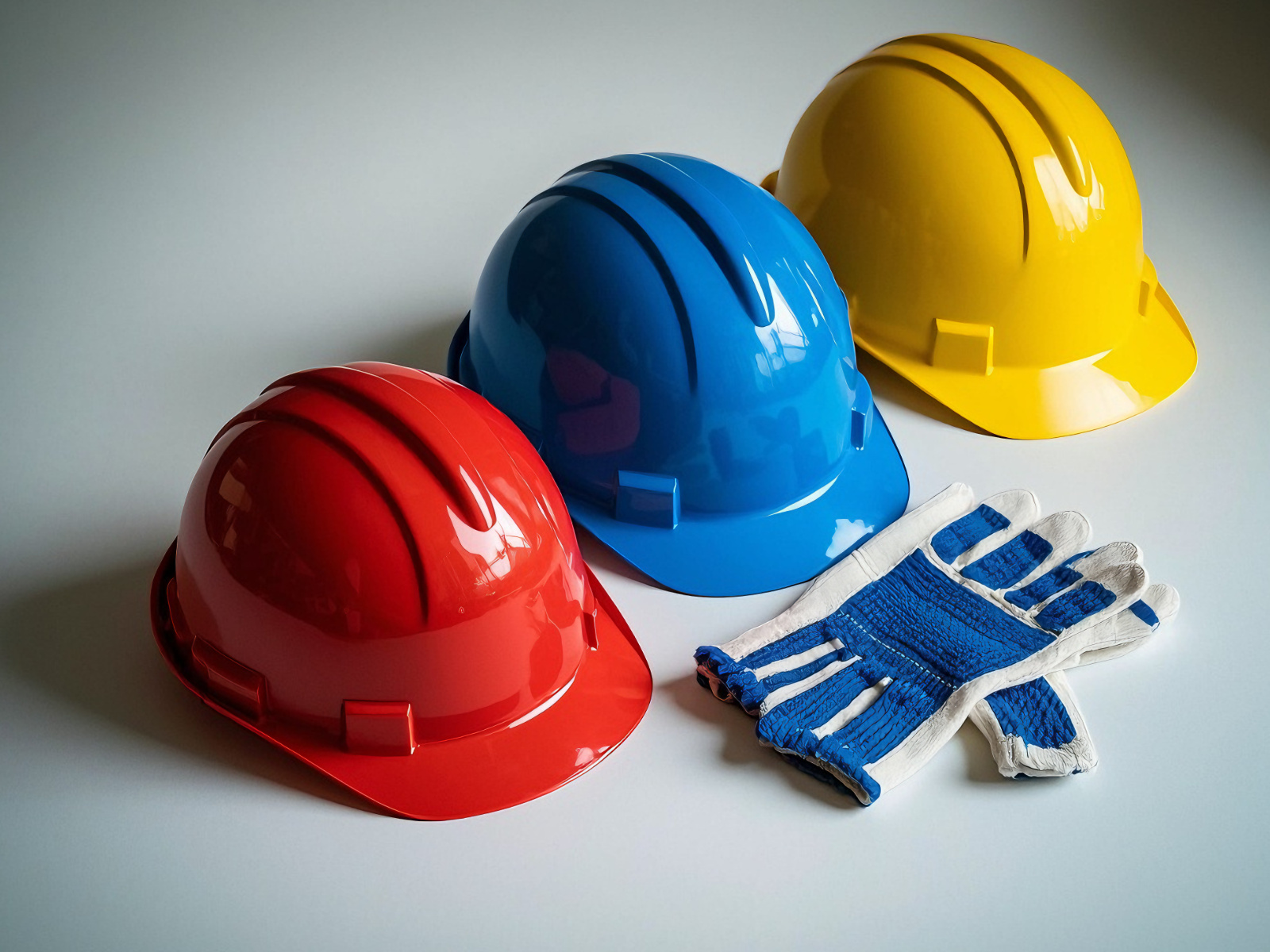

What is the main difference between a hard hat and a smart safety helmet?
The main difference is that a conventional hard hat is a protective product, while a smart safety helmet is both protective equipment and a connected industrial terminal.
A conventional hard hat normally performs a focused task: protecting the wearer’s head according to the requirements of the applicable product standard. It is relatively simple to issue, inspect, replace and manage.
A smart safety helmet starts with the protective helmet structure and adds selected electronic hardware and software. Depending on the model and project configuration, these functions may include a camera, microphone, speaker, lighting, SOS button, local storage, communication module, positioning and connection to a mobile application or centralized management platform.
- Conventional hard hat: primarily used for passive physical protection.
- Smart safety helmet: combines physical protection with communication, data collection and management functions.
- Project system: may also include software, SIM cards, positioning infrastructure, gateways, servers and system integration.
What problems can a smart safety helmet solve?
A smart safety helmet is most useful when an enterprise needs better visibility, communication and event records for distributed frontline workers.
On large construction sites, mines, power facilities, ports and industrial plants, supervisors may not be able to see each worker’s location or field conditions. Workers may also need to carry a hard hat, radio, camera, positioning tag and lighting equipment separately.
A properly configured smart helmet can reduce device fragmentation and connect field personnel with the management team.
- Workers can communicate with supervisors or remote specialists.
- Field photos and videos can support inspections and issue reporting.
- Positioning can help managers view personnel distribution or historical routes.
- SOS and selected alarm functions can support emergency notification.
- The platform can centralize devices, personnel, alarms and operational records.
These functions assist site management, but they do not replace risk assessments, safety training, operating procedures or emergency plans.
Which functions are commonly added to smart safety helmets?
Smart helmet functions should be selected according to the application rather than treated as a fixed package.
Communication and field collaboration
Configured models may support voice communication, video communication, group intercom, photo capture and video recording. These functions can help remote experts understand equipment conditions without immediately travelling to the site.
Positioning and personnel visibility
Outdoor positioning, route review and electronic fencing may be used to improve personnel visibility. Indoor, underground and high-precision positioning normally require different technologies and supporting infrastructure.
Emergency and safety alerts
Depending on the model, optional module and project configuration, a system may support SOS calls, fall or impact alerts, cap-off alerts, long-period inactivity alerts or other sensing functions. Buyers should request a written model-specific capability list.
Device and platform management
A management platform may display device status, personnel information, video sessions, positioning records, alarms and remote settings. The actual platform scope should be demonstrated before procurement.
Where is a smart helmet more suitable than a conventional hard hat?
A smart safety helmet is more suitable when the buyer needs connected management in addition to basic head protection.
- Mining and underground operations: communication, lighting, personnel tracking and emergency coordination may be required. Intrinsically safe, explosion-protected or mining-related claims must be verified for the exact model.
- Construction projects: video inspection, worker positioning, electronic fencing and project records may help manage dispersed teams.
- Power and energy sites: field technicians can communicate with remote specialists during inspection or maintenance work.
- Ports and industrial plants: the system may support restricted-area management, group communication and inspection records.
- Emergency operations: hands-free communication, lighting, positioning and field video can assist coordination.
A conventional hard hat may remain the more practical choice where the site only requires certified head protection, the workforce is concentrated, communication systems are already sufficient or electronic devices would create unnecessary operational complexity.
How should buyers choose between the two products?
The decision should be based on the management problem, not on the number of advertised functions.
- Confirm the protection requirement: Determine which helmet standard and certification are required in the destination market and working environment.
- Define the business objective: Decide whether the project needs communication, positioning, inspection records, alarm management or remote collaboration.
- Review the network environment: Check local 4G, 5G, Wi-Fi and SIM compatibility instead of assuming that one model works in every country.
- Separate standard and optional functions: Ask which functions are included in the base unit and which require additional sensors, infrastructure or software.
- Evaluate wearing practicality: Review weight, balance, battery replacement, operating buttons and compatibility with other personal protective equipment.
- Review the management platform: Confirm language, user permissions, data storage, alarm workflow, reporting and integration options.
- Plan a pilot test: Test the product in the actual working environment before large-scale deployment.
What should be checked before bulk procurement?
A written project procurement checklist helps distributors, contractors, system integrators and end users avoid configuration misunderstandings.
- Project country, industry and site environment
- Required helmet standard and applicable certification
- Product model and planned purchase quantity
- 4G, 5G, Wi-Fi and local operator requirements
- Camera, audio, storage and battery requirements
- Outdoor, indoor or underground positioning requirements
- Standard functions and optional modules
- Cloud platform, private deployment or system integration
- Language, enterprise branding and packaging customization
- Sample testing process and acceptance criteria
- Installation, training and after-sales support requirements
Certification documents should be checked by certificate holder, model, product description, validity and applicable market. A certificate shown in a general brochure should not automatically be assumed to cover every product in the series.
How can buyers evaluate a smart safety helmet supplier?
A reliable supplier should provide clear model-level information and explain limitations as well as capabilities.
- Request a separate specification sheet for each model.
- Ask for a standard, optional, platform and project-specific function matrix.
- Review original certification documents and confirm the covered model.
- Request a live or recorded platform demonstration.
- Check whether the supplier can support sample testing and bulk supply.
- Confirm whether multilingual software, private deployment and API integration are available.
- Require written confirmation for customized functions and project commitments.
Buyers should be cautious when a supplier presents every available function as standard, cannot explain network compatibility or cannot connect certificates with specific models.
What should be considered during deployment and integration?
A smart helmet project requires network testing, device configuration, user training and an agreed response workflow.
Before deployment, the project team should test communication coverage, determine the positioning method and define platform permissions. It should also establish who can view live video, location data and alarm records, how long data will be stored and how alarms will be handled.
When the platform needs to connect with attendance, dispatch, safety or enterprise management systems, the buyer and supplier should confirm interface fields, security requirements, deployment environment and responsibility boundaries before development begins.
A pilot involving a representative working area is usually more effective than immediate full-site installation. The pilot should evaluate wearing comfort, communication quality, positioning performance, battery use, alarm accuracy and software usability.
Frequently asked questions
Does a smart helmet replace a certified conventional hard hat?
No. The complete smart helmet must still meet the protection and certification requirements applicable to the project. Adding electronic modules does not remove the need to verify physical protection compliance.
Are all smart safety helmets 5G products?
No. Different models may use 4G, 5G, Wi-Fi or combined communication methods. The exact network version and supported frequency bands must be confirmed.
Does every model include positioning and video communication?
Not necessarily. Functions vary by model, hardware configuration, software package and project requirements.
Can the management platform connect with an existing enterprise system?
Integration may be possible through an API, private deployment or customized development, but the interface scope must be evaluated before quotation.
When should a buyer select a conventional hard hat instead?
A conventional hard hat may be more appropriate when only basic certified protection is required and the project does not need communication, positioning, data records or centralized management.
Discuss your project with BLUECROWN-DING
BLUECROWN-DING provides industrial smart wearable equipment and personnel safety management solutions for overseas distributors, engineering contractors, mining companies, energy operators, system integrators and project buyers.
You can review the product range, explore industry solutions or submit a project requirement.
For an initial selection, please provide the application industry, project country, expected quantity, required functions, local network conditions, positioning environment and platform integration requirements.
Start with the site, then choose the configuration.
You do not need every detail on day one. Clarify the worksite, team size, network conditions and management goals first. The right configuration will be much easier to define.
- 01Describe the actual worksite and who will use the equipment
- 02Test coverage, fit and device performance on site
- 03Decide who receives alerts and who owns the response
- 04Confirm the final model, enabled features and delivery documents
This article provides a project selection and deployment method. Final configuration, specifications and applicable documents remain subject to project confirmation.