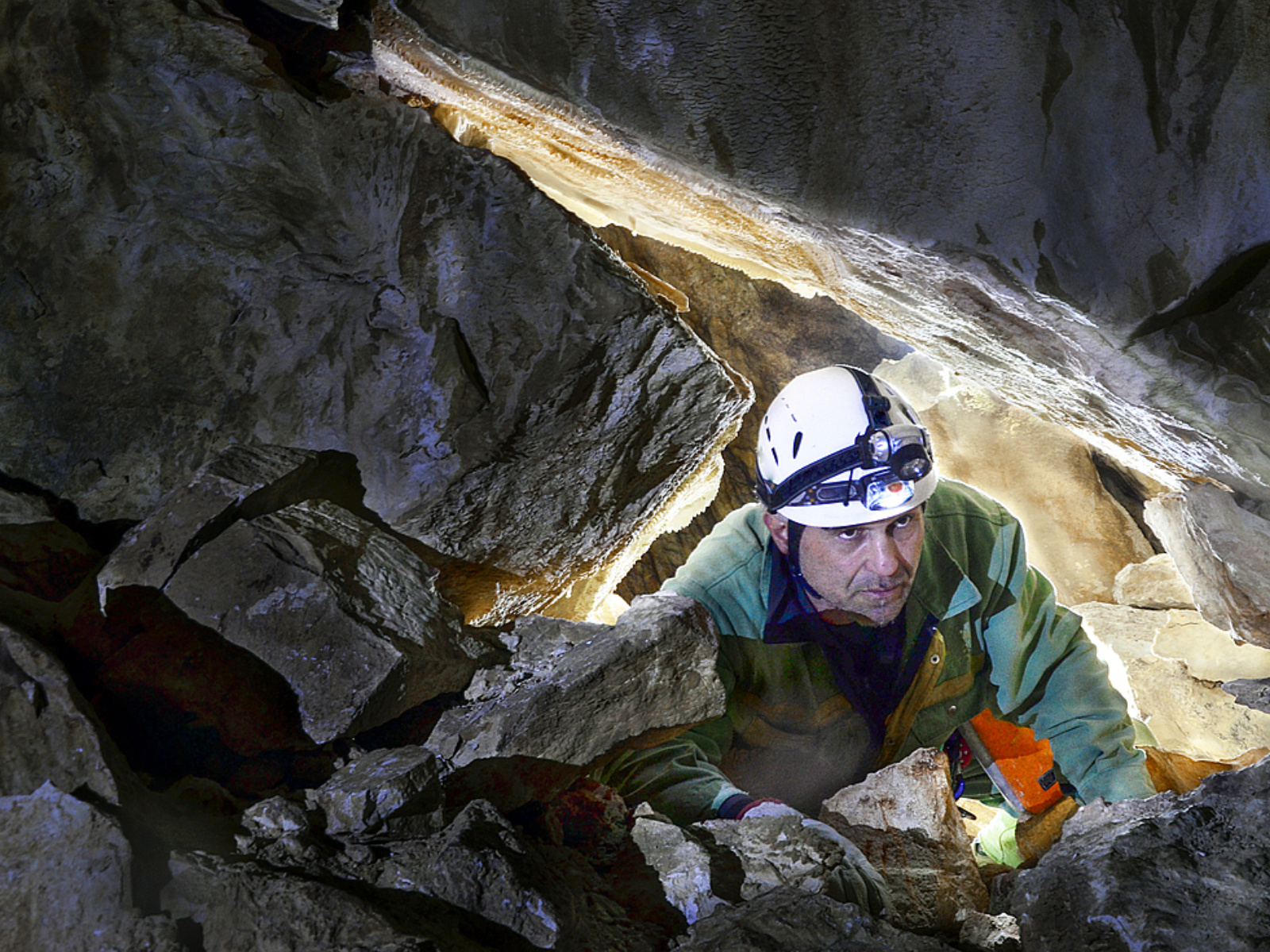
How to select a smart helmet for a mining project
Start by separating open-pit and underground operations, confirm the protective and document scope of the exact model, then test network, positioning, communication, power and response workflows along the real work route.
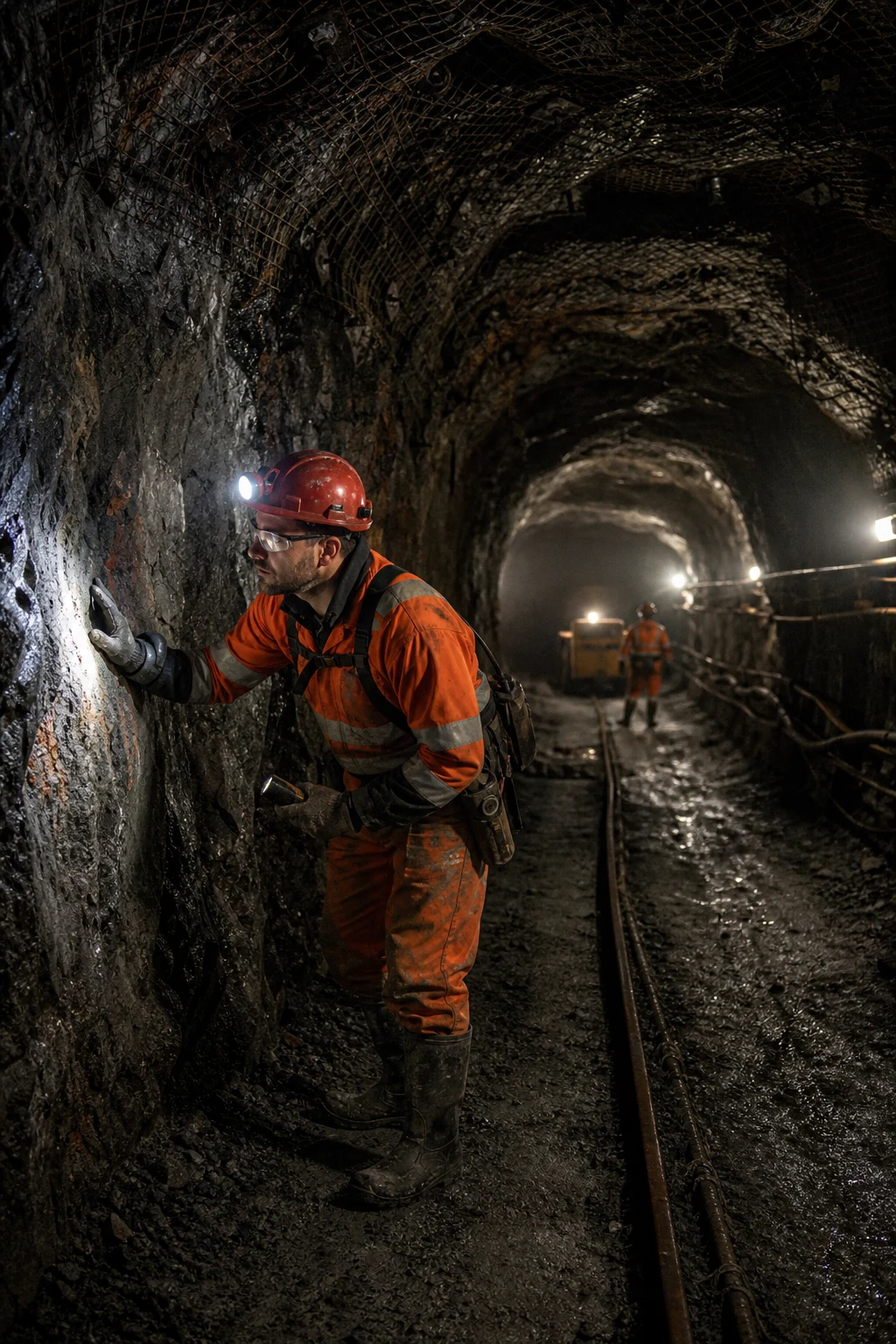
Start with the mine, not the device
Open-pit haul roads, underground roadways, shaft stations and processing areas do not share one operating condition. The first selection document should describe where the helmet will be used, who will wear it, how the crew moves and which events require a response.
- Map representative work zones, routes and weak-signal areas.
- Confirm the shift structure, user roles and dispatch responsibilities.
- Record existing PPE, lamps, headsets and wearing constraints.
- Define who receives and closes an SOS or other configured event.
Match every document to the exact model
Mining suitability cannot be inferred from a product-family name, an appearance photo or a supplier brochure. For underground or otherwise regulated use, verify the exact model, structural configuration, document owner, applicable scope and destination requirements before purchase or public promotion.
- Use the exact model code shown in the quotation and sample.
- Check that reports and certificates cover that model and configuration.
- Verify document ownership, validity and permitted publication scope.
- Treat unconfirmed certificates as pending—not as sales claims.
Test communication on the real route
A label such as 4G, 5G or Wi-Fi does not prove that a workflow will work throughout a mine. Review the network available in each zone, then test voice, group communication and any required image or video upload at representative points.
- Prioritize reliable voice and team communication before high-bandwidth media.
- Test entrances, bends, equipment rooms, deep sections and transition zones.
- Record upload delay, interruption and recovery—not only signal bars.
- Define a fallback workflow for areas without usable coverage.
Choose positioning by environment
Outdoor satellite positioning and underground local positioning solve different problems. Select the method according to the zone, infrastructure and operational decision the position needs to support. Any stated accuracy must be verified with the selected terminal, base stations and real site conditions.
- Separate outdoor, portal, underground and indoor positioning zones.
- Define whether the project needs a zone, checkpoint, route or precise point.
- Confirm tags, base stations, installation and platform boundaries.
- Link location alerts to a named response role.
Select functions around the job
The mine-oriented product architecture can combine communication, positioning, a split camera workflow, work lighting, SOS and platform records according to the selected model and project. The correct configuration is the smallest set of functions that supports the agreed task and response process.
- Use voice or intercom for routine coordination.
- Add photo or video only when it improves a defined inspection or support task.
- Configure SOS together with receiver, acknowledgement and escalation rules.
- Add sensing or AI modules only after the scene and review method are proven.
Include wearing, power and shift handover
A technically capable terminal can still fail in daily use if it is uncomfortable, difficult to charge or unclear to hand over. Test the helmet, split host, battery, lamp and communication accessories as one wearing and shift-management system.
- Check balance, fastening and compatibility with required PPE.
- Test the complete operating shift under the final configuration.
- Plan charging, spare batteries, inspection and fault reporting.
- Record which worker receives which device for each shift.
Pilot one crew before batch deployment
Use one representative route, one crew and one shift to test the complete loop—from issuing the device to communication, positioning, alerts, charging and handover. Only expand after the results, model configuration, documents, training and acceptance criteria have been agreed.
- Write acceptance criteria before the sample arrives.
- Record normal operation, weak-network behavior and response handoff.
- Freeze the approved sample, configuration and document list.
- Expand by route, zone or crew instead of switching the whole mine at once.
Start with the site, then choose the configuration.
You do not need every detail on day one. Clarify the worksite, team size, network conditions and management goals first. The right configuration will be much easier to define.
- 01Describe the actual worksite and who will use the equipment.
- 02Test coverage, fit and device performance on site.
- 03Decide who receives alerts and who owns the response.
- 04Confirm the final model, enabled features and delivery documents.
This educational article describes a project method. Final product configuration, specifications and applicable documents remain subject to project confirmation.
BUILD THE CONFIGURATION AROUND YOUR SITE.
Share the country, industry, team size and required workflow. We will identify the right starting architecture before quotation.
START A PROJECT↗